01217263199
Yes, Don Williams, Edgbaston Eye Clinic offer same day eye appointments or same day emergency eye appointments. Should you suffer from an acute emergency eye problem, Don Williams should be able to see you on the same day. Give us a call to check availability for your same day urgent or emergency eye appointment. 01217263199
Our price list can be viewed on our website – Fees
Yes, we have free parking on site for patients.
Click here for location and direction
Edgbaston Eye Clinic, led by Mr Don Williams is located at the Consulting Rooms, 38 Harborne Road, Edgbaston, Birmingham, B15 3HE. For Sat Nav use B15 3EB for Car Park. Opposite the Physician Pub. Mr Don Williams is also listed on TopDoctors-Click below
You can call us on 01217263199, email us on info@edgbastoneyeclinic.com or use the contact form or request an appointment form on our website. We’ll offer you a convenient time, including Saturdays if needed. At Edgbaston Eye Clinic, you’ll be seen promptly and professionally with no waiting lists.
You’ll be seen by Mr Don Williams ACP (Ophthal) who is a highly experienced and qualified registered specialist. Don spent 15 years working for the hospital eye service with the last 4 years spent at BMEC (Birmingham & Midland Eye Centre). He still maintains a very good relationship with his colleagues at the Eye Centre.
Glaucoma is a group of eye conditions where the optic nerve becomes damaged, often due to raised pressure inside the eye. It can cause gradual loss of vision, usually starting in the peripheral (side) vision, and if left untreated, it can lead to blindness. Many people don’t realise they have glaucoma because it often develops slowly and without noticeable symptoms until the later stages. That’s why early diagnosis through a proper glaucoma assessment is vital.
The truth is, you might not know. Glaucoma is sometimes called the ‘silent thief of sight’ because it can develop without warning signs. You may not feel any pain or notice vision changes until the disease is quite advanced. The only way to detect it early is through a detailed eye health examination that includes specific tests to check your eye pressure, visual fields and the health of your optic nerve.
At Edgbaston Eye Clinic in Birmingham, Mr Don Williams will conduct a full glaucoma assessment. This includes a detailed consultation , a review of your personal and family history, intraocular pressure checks using Goldmann applanation, assessment of the drainage system of the eye call gonioscopy, corneal thickness measurement, visual field testing, high-resolution OCT scans of the optic nerve and wide-field retinal imaging. The appointment usually takes an hour. To get a really clear view of the back of the eye, we usually use drops to gently dilate your pupils. This can make your vision a bit blurry and sensitive to light for a few hours, so it’s best not to drive after the appointment.
A comprehensive glaucoma assessment at Edgbaston Eye Clinic is £425. This includes everything—the consultation, all diagnostic scans and clinical advice. There are no hidden fees or unexpected add-ons. You’re paying for a complete, in-depth review of your eye health with some of the most advanced diagnostic equipment.
Yes, glaucoma is treatable, especially when detected early. While it can’t be cured or reversed, treatment can slow down the rate of progression. Treatment often begins with eye drops to reduce eye pressure, but in some cases, laser treatment call SLT or surgery may be needed. Don will explain all the options clearly during your consultation and guide you on the best course of action.
If left untreated, glaucoma can lead to irreversible sight loss and eventually blindness. However, with early detection and proper management, most people with glaucoma maintain useful vision for life. That’s why regular monitoring and a full glaucoma workup are so important, especially if you have risk factors.
You’re at higher risk of developing glaucoma if you are over 40, have a family history of glaucoma, are of Afro-Caribbean or Asian descent, have high eye pressure, are very short- or long-sighted, or have other health conditions such as diabetes or low blood pressure. I’ll take all these factors into account during your consultation.
If you have risk factors or a family history, you should have a full glaucoma screening every year. Even if you’ve had an NHS sight test, that may not include the advanced glaucoma diagnostics we offer here. If you’re unsure, it’s always worth getting a second opinion.
Don specialise in glaucoma diagnosis and management, with advanced qualifications and over 15 years of clinical experience in the field of glaucoma. Don has worked in both NHS hospital clinics and private practice. All consultations are done by Don—no handovers, no rushed appointments. Edgbaston Eye Clinic offer flexible times, weekends and provide honest, independent advice without pressure (no pun intended).
Yes, you can. You don’t need a referral from your GP or optician to book an appointment at Edgbaston Eye Clinic. Many patients come to us because they are concerned about glaucoma, have been told their eye pressure is high, or simply want a second opinion without waiting months to be seen on the NHS.
That’s absolutely fine. Don see many patients who have an existing diagnosis but want reassurance, better understanding, or clearer guidance on their treatment. He’ll provide a full glaucoma review and help you make informed decisions about your care.
Blepharitis is a very common condition that causes inflammation of the eyelid margins. It often feels like soreness, irritation, crusting around the lashes, or a heavy, tired sensation in the eyes. Some people experience itching or stinging, while others feel as though their eyes are always dry or watery. It can be frustrating and persistent, and it tends to come and go in flare-ups. It is often described to patients as ‘eczema of the eyelids’—it’s not dangerous, but it can be really uncomfortable and hard to manage without the right approach.
There isn’t just one cause. It is multifactorial. Sometimes blepharitis is due to bacteria or blocked oil glands near the lashes. Other times it’s linked to skin conditions like rosacea, seborrheic dermatitis, or even allergies. I’ve seen many patients where contact lens wear, screen fatigue, or even hormonal changes have played a role. Blepharitis can also be part of a wider dry eye picture. That’s why getting a proper assessment is important—so we can figure out what’s triggering it in your case and manage it properly.
No, blepharitis isn’t contagious. You can’t catch it or pass it on. It’s a chronic, inflammatory condition—not an infection like conjunctivitis. However, it can sometimes cause secondary infections or styes if left untreated.
This is probably the most common question asked. Blepharitis tends to be a long-term condition that flares up and settles down. For many people, it never completely goes away but it can be controlled with the right routine and targeted treatments. The trick is not just to deal with the flare-up, but to understand what’s driving the inflammation and keep the eyelid margins healthy between episodes.
Symptoms can vary from person to person, but they usually include red or swollen eyelids, crusting around the lashes, itchy or gritty eyes, and a burning sensation. Some people wake up with sticky lids or notice their vision is temporarily blurry until they blink a few times. In more severe cases, the lashes can fall out or grow in the wrong direction, and the eyes can feel constantly irritated.
At Edgbaston Eye Clinic in Birmingham, Don will diagnose your blepharitis through a detailed slit-lamp examination of your eyelids and lashes. He’ll look for signs of inflammation, blocked oil glands, Demodex mites (a common and often overlooked cause), and other underlying conditions that may be contributing. If necessary, he’ll use magnified imaging to show you what’s going on, patients often find it helpful to actually see the problem. Don will also discuss your medical and skincare history to identify any possible links.
Treatment depends on what type of blepharitis you have. For most people, it starts with daily eyelid hygiene—cleansing the lash line to remove debris, bacteria, and oil build-up. Don might also recommend warm compresses, lid massage, or tea tree-based treatments if Demodex is involved. In some cases, short-term steroid drops or antibiotic ointments are needed to calm things down. If there’s an allergic or rosacea-related component, Don will manage that too. For ongoing care, Don will help you build a realistic routine that fits into your lifestyle and actually works.
This is very common. Many patients come to see Don after trying off-the-shelf eyelid wipes for months or even years with little or no improvement. Blepharitis often needs more targeted management than wipes alone can provide, especially if there’s inflammation, blocked glands or mites present. If you’ve been struggling, it’s worth having a proper clinical review so that Don can put together a personalised plan. Don has helped many patients who felt like they’d hit a dead end.
While blepharitis itself doesn’t cause permanent vision loss, it can cause temporary blurring due to poor tear film quality, inflammation, or debris on the ocular surface. It can also make wearing contact lenses uncomfortable. In some chronic cases, if left unmanaged, it can contribute to dry eye disease or even corneal problems—but this is rare with good care.
At Edgbaston Eye Clinic, a full blepharitis assessment and consultation is £120. This includes all necessary tests, a detailed examination of your eyelid margins and tear film, and a clear management plan tailored to your needs. Everything is explained thoroughly and there’s plenty of time to ask questions—this isn’t a rushed appointment.
You’ll be seeing Mr Don Williams. Don has been managing blepharitis and dry eye conditions for over 15 years, both in hospital clinics and now in private practice. At Edgbaston Eye Clinic, you’re not passed from one person to another, you’ll get continuity, attention to detail and a management plan built around you.
Meibomian Gland Dysfunction, or MGD, is one of the most common causes of dry eye symptoms. The meibomian glands are tiny oil-producing glands that sit along the edges of your eyelids. Their job is to release a protective oil into your tears to stop them evaporating too quickly. When these glands become blocked or start producing poor-quality oil, the tear film breaks down too fast—and that’s when you get symptoms like burning, grittiness, blurry vision, and eye fatigue. I often explain to patients that dry eye isn’t always about tear quantity—it’s often about tear quality, and MGD is at the heart of it.
MGD can develop slowly over time and can be triggered by a variety of things—hormonal changes, ageing, rosacea, long-term screen use, contact lenses, or even environmental factors like central heating or air conditioning. In some people, the glands physically narrow and stop producing oil altogether. In others, the oil becomes thick and waxy and just can’t get out. The good news is that we can often get things moving again once we understand where the blockage or dysfunction is happening.
If your eyes feel dry, sore, itchy, or strangely watery—or if you have to blink a lot to clear your vision—there’s a good chance your meibomian glands aren’t functioning properly. MGD symptoms often overlap with dry eye and blepharitis, so it’s not always obvious to patients. That’s why a full clinical assessment is essential. Don uses high-magnification imaging to look directly at your glands, check their structure and function, and see how healthy (or blocked) they are.
This is a classic sign of MGD. When the oil layer of the tear film is poor or missing, your tear film becomes unstable. Every time you blink, it clears the surface for a moment—but it quickly breaks up again, leaving your vision fluctuating, especially on screens or when reading. Patients often say they can see, but it’s just not clear or comfortable. That’s most likely the tear film, not the glasses prescription.
They’re closely linked. MGD is one of the most common underlying causes of evaporative dry eye. So while dry eye syndrome describes the symptoms, MGD describes one of the key mechanisms. When Don assesses someone with dry eye, one of the first things he checks is their gland function—because if the oil layer is breaking down, standard drops alone won’t solve the problem.
The treatment depends on how severe or blocked the glands are. In early cases, warm compresses, eyelid massage, and specific cleansing routines can help soften and express the oil. But many patients Don sees have tried this already without much success. That’s where more targeted treatments come in. Don might use anti-inflammatory drops if there’s chronic inflammation, insert punctal plugs to retain tears, or recommend medical-grade heat-based therapies to help open and clear the glands more effectively.
MGD can usually be managed very effectively, but it’s a chronic condition—so we think in terms of control rather than cure. Think of it like brushing your teeth: once things are under control, the aim is to maintain the health of the glands with the right routine and step in quickly if things flare up again. The earlier it’s identified and treated, the better the long-term outcomes tend to be.
That’s very common. Many patients come to me having used compresses or wipes for months without real improvement. If the glands are significantly blocked, compresses alone may not be enough. I assess whether the glands are still structurally intact and if more active treatment is needed. Sometimes the issue isn’t just blockage—it’s inflammation, gland dropout, or poor oil quality—and that needs a different approach.
The full assessment at Edgbaston Eye Clinic is £120. This includes detailed imaging, gland evaluation, slit-lamp examination, and a full discussion of your symptoms, history, and treatment options.
You’ll be seen by Mr Don Williams. Don has been managing dry eye and eyelid conditions like MGD for over 15 years, both in hospital settings and privately here at Edgbaston Eye Clinic in Birmingham. He’s treated everything from mild irritation to chronic meibomian gland disease in patients who’ve seen multiple specialists before. You’ll receive one-to-one care, honest advice, and a plan tailored specifically to your eyes.
Dry eye syndrome is when your eyes don’t produce enough tears or the tears don’t work properly to keep your eyes comfortable and protected. This can lead to burning, stinging, blurry vision, gritty sensations, or even excessive watering. It’s more common than most people think and often underdiagnosed. I’ve been managing dry eye patients for over 15 years, and no two cases are exactly the same.
This is one of the most frequent things I’m asked. It sounds strange, but when your eyes are dry and irritated, they can actually produce more tears—but the wrong kind. These are watery, reflex tears that don’t nourish or protect the eye properly. So even though your eyes feel watery, they’re still technically dry. The real solution lies in treating the underlying imbalance in your tear film.
There are lots of possible causes, from screen use and ageing to hormonal changes, eyelid problems, contact lenses, or side effects of medication. Sometimes, there’s an underlying medical issue like rosacea, autoimmune disease, or thyroid dysfunction. In more complex cases, I may recommend further investigations, such as a blood panel, if I suspect there’s something systemic contributing to the problem. Identifying the root cause is the first step to getting lasting relief.
At Edgbaston Eye Clinic in Birmingham, I carry out a full dry eye assessment myself. This includes checking your tear film stability, examining your meibomian (oil) glands, looking for signs of inflammation or surface damage, and assessing your eyelid health. We may also use imaging to look deeper if needed. It’s a thorough, personalised evaluation, not just a quick check. The initial consultation is £120, which includes all the necessary dry eye tests and plenty of time to discuss your symptoms, history, and treatment options.
Treatment depends on what’s causing your symptoms. For some patients, tailored lubricating drops are enough. For others, I may recommend anti-inflammatory treatments such as Ikervis or short-term steroid drops, or place tiny punctal plugs to help retain natural tears. If there’s significant lid involvement or signs of meibomian gland dysfunction, I’ll address that too. In certain cases, we may even look at your general health, diet, and lifestyle. The key is that it’s never a one-size-fits-all approach—it’s about understanding your eye surface and finding what works for you.
No, not at all. Many people are told there’s nothing more that can be done, but in most cases, that simply isn’t true. If you’ve tried drops from the chemist and still feel miserable, there’s a good chance the issue is more complex than just dryness. With the right diagnosis and a structured plan, I’ve helped many patients get back to living comfortably—even after years of struggling.
Yes—I’ve worked with dry eye patients for over 15 years and see everything from mild discomfort to severe, complex cases. As the clinical lead at Edgbaston Eye Clinic, I handle all assessments and treatments personally. You’re not passed between staff or rushed. Patients come to see me from across Birmingham and beyond because they want detailed answers and honest solutions. If you’re looking for a dry eye specialist who takes the time to understand your symptoms, I’d be happy to help.
Patient information leaflet
We have prepared a patient information leaflet about dry eye syndrome. You can view or download it using the link below.
Flashes and floaters are common visual symptoms. Floaters may appear as small dots, cobwebs, strands, rings or shadows drifting across the vision. Flashes often appear as brief flickers of light, usually towards the side of the vision. They are often more noticeable against a bright background, such as a white wall, computer screen or blue sky.
In many cases, flashes and floaters are caused by changes in the vitreous, the natural jelly inside the eye. One of the most common causes is a posterior vitreous detachment, often shortened to PVD. This is where the vitreous gel separates from the retina at the back of the eye. The NHS describes PVD as a common and usually harmless cause of flashes and floaters, particularly in older adults.
Most flashes and floaters are not caused by anything serious. Moorfields Eye Hospital advises that, in around 90% of patients with PVD, the process is harmless and does not require treatment. However, in a smaller number of cases, flashes and floaters may be associated with bleeding inside the eye, a retinal tear or retinal detachment, so new symptoms should be checked properly.
You should seek prompt eye advice if you notice new flashes or floaters, a sudden increase in floaters, blurred vision, a shower of dots, or a dark shadow or curtain coming across the vision. Symptoms following eye surgery or an eye injury should also be assessed urgently. The Royal College of Ophthalmologists advises that new floaters or flashes should be examined straight away because they can occasionally indicate a retinal tear or detachment.
At Edgbaston Eye Clinic, Mr Don Williams carries out a detailed assessment for flashes and floaters. This may include checking the vision, examining the front and back of the eye, dilating the pupils and carefully assessing the retina. Additional imaging, such as wide-field retinal imaging or OCT scans, may also be performed where clinically indicated.
Flashes and floaters are often caused by harmless changes inside the eye, but the safest approach is to have the retina examined properly, especially when symptoms are new or have changed suddenly. If you are experiencing flashes, floaters, shadows or a sudden change in vision, you can arrange an appointment at Edgbaston Eye Clinic to be assessed by Mr Don Williams.
Please note that dilating drops may be required during the examination, so you may be advised not to drive immediately afterwards.
Keratoconus is a condition where the cornea, the clear front window of the eye, gradually becomes thinner and more irregular in shape. Instead of remaining smooth and dome-shaped, the cornea can become more cone-shaped. This can lead to blurred, distorted or shadowed vision, often due to increasing irregular astigmatism. Keratoconus commonly affects both eyes, although one eye is often worse than the other.
Patients with keratoconus may notice that their glasses prescription keeps changing, or that glasses no longer give sharp, comfortable vision. Some people describe ghosting around letters, distortion, glare, haloes around lights, poor night vision or difficulty seeing clearly even with an updated prescription.
This can be frustrating because the problem is not always simply a case of needing stronger glasses. In keratoconus, the cornea itself becomes optically irregular, so standard glasses may not fully correct the quality of vision.
The exact cause of keratoconus is not always known. It may run in families and can be associated with allergic conditions such as eczema, asthma and allergic eye disease. Eye rubbing is also important, as persistent rubbing can worsen keratoconus and should be avoided, particularly in patients with itchy or allergic eyes.
Yes, but the treatment depends on the stage of the condition and whether it is stable or progressing. In early or mild keratoconus, glasses may be enough. In more irregular corneas, specialist contact lenses are often needed to improve the quality of vision.
It is important to understand that contact lenses do not cure keratoconus or stop it from progressing. Their main role is to improve vision while they are being worn. Corneal cross-linking may be considered if the keratoconus is progressing, as current evidence shows that cross-linking can delay or halt progression in suitable patients.
Corneal cross-linking is an important treatment for keratoconus when the condition is progressing. It is not primarily designed to improve vision in the way that specialist contact lenses do. Its main purpose is to strengthen the cornea and reduce the risk of the keratoconus getting worse over time.
The treatment usually involves applying riboflavin, also known as vitamin B2, to the cornea and then using ultraviolet-A light to help stiffen and strengthen the corneal tissue. NHS patient information explains that corneal cross-linking aims to make the cornea stronger and reduce the chance of further shape change.
One of the most important parts of keratoconus management is fitting the right type of specialist contact lens. These are not ordinary soft contact lenses. They are bespoke lenses designed around the shape of the individual cornea to create a smoother optical surface and improve vision.
Depending on the eye, this may include rigid gas permeable lenses, hybrid lenses or scleral lenses. The aim is to reduce distortion and improve the clarity of vision in a way that glasses often cannot achieve in more established keratoconus.
These lenses are primarily designed to improve vision rather than comfort. For that reason, they can take time to adapt to. Many patients are aware of the lenses at first, but with careful fitting, handling advice and gradual wear time, patients often desensitise and adapt over time. The key is patience, specialist fitting and realistic expectations.
Mr Don Williams at Edgbaston Eye Clinic has specialist expertise in keratoconus assessment and the fitting of bespoke specialist contact lenses for keratoconus. The assessment may include checking the vision, assessing the cornea, reviewing the prescription, examining the eyes and advising on the most appropriate optical or clinical management.
The aim is to understand whether keratoconus is present, whether it appears stable or progressive, and whether vision can be improved with specialist contact lenses. Where further treatment is needed, such as consideration of corneal cross-linking, onward referral can be advised.
Keratoconus can sound worrying, but many patients can achieve very useful vision with the right assessment and the correct optical management. The most important steps are early diagnosis, careful monitoring, avoiding eye rubbing and ensuring that the visual correction is tailored to the individual corneal shape.
If you have been told you may have keratoconus, if your prescription keeps changing, or if your glasses are no longer giving clear vision, you can arrange an appointment at Edgbaston Eye Clinic to be assessed by Mr Don Williams.
Retinal detachment is a serious eye condition that requires urgent assessment and, in many cases, prompt surgical treatment. Although relatively uncommon, a retinal detachment can lead to permanent sight loss if not diagnosed and treated quickly.
The retina is the light-sensitive layer lining the back of the eye. It functions much like the film in a camera, converting light into signals that are sent to the brain. If the retina becomes detached from the underlying tissues that nourish it, vision can be significantly affected.
Many retinal detachments begin with a retinal tear. As we age, the vitreous gel inside the eye naturally changes and can pull on the retina. This may result in a retinal tear which, if left untreated, can allow fluid to pass underneath the retina and cause it to detach.
Common symptoms of retinal detachment include sudden flashes of light, a rapid increase in floaters, the appearance of a dark curtain or shadow across the vision, or a sudden reduction in sight. These symptoms should never be ignored and warrant an urgent retinal examination.
At Edgbaston Eye Clinic, Mr Don Williams ACP (Ophthalmology) is experienced in the assessment of flashes, floaters, retinal tears and retinal detachment. The clinic is equipped with advanced diagnostic technology including ultra-widefield Optos retinal imaging and specialist retinal examination equipment, allowing detailed assessment of the peripheral retina.
It is important to understand that not every patient with flashes and floaters has a retinal detachment. In fact, the majority do not. However, because retinal tears and retinal detachments can present with similar symptoms, a comprehensive dilated retinal examination is often necessary to exclude potentially sight-threatening pathology.
Early diagnosis is critical. Retinal tears identified before a detachment develops can often be treated with laser therapy by a vitreoretinal specialist, significantly reducing the risk of progression to retinal detachment. Once a retinal detachment occurs, surgical intervention is usually required.
If you have recently developed flashes, floaters, a shadow in your vision, or any unexplained change in sight, it is important to seek prompt specialist assessment. Early detection and timely referral can play a crucial role in preserving vision.
To arrange a retinal assessment at Edgbaston Eye Clinic, please contact the clinic as soon as possible.
Lorem ipsum dolor sit amet, consectetur adipiscing elit. Ut elit tellus, luctus nec ullamcorper mattis, pulvinar dapibus leo.
Conjunctivitis, often referred to as “pink eye”, is one of the most common causes of a red eye. It occurs when the conjunctiva, the thin transparent membrane covering the white part of the eye and the inner surface of the eyelids, becomes inflamed.
Conjunctivitis can affect people of all ages and may occur in one or both eyes. While many cases are mild and self-limiting, some forms of conjunctivitis can be more persistent and require specialist assessment.
There are several different types of conjunctivitis, including:
Identifying the underlying cause is important because treatment varies depending on the type of conjunctivitis present.
Symptoms can include:
The symptoms can vary considerably depending on the underlying cause and severity of the condition.
Some forms of conjunctivitis, particularly viral and bacterial conjunctivitis, can be highly contagious. Good hand hygiene, avoiding eye rubbing, and not sharing towels or cosmetics can help reduce the risk of spreading infection.
Allergic conjunctivitis is not contagious and occurs as a result of an allergic response to substances such as pollen, dust mites, animal dander or other environmental allergens.
Although conjunctivitis is often straightforward, a red eye should never be automatically assumed to be conjunctivitis.
Certain serious eye conditions, including corneal infections, uveitis, acute glaucoma and keratitis, can sometimes present with symptoms similar to conjunctivitis. For this reason, professional assessment is recommended if symptoms are severe, persistent, recurrent, associated with pain, light sensitivity or reduced vision.
At Edgbaston Eye Clinic, Mr Don Williams ACP (Ophthalmology) provides comprehensive assessment of red eyes, conjunctivitis and ocular surface disease. Using specialist ophthalmic equipment, the clinic is able to evaluate the surface of the eye in detail and determine the underlying cause of the inflammation.
A thorough examination allows appropriate treatment recommendations to be made and helps exclude potentially more serious causes of a red eye.
Treatment depends on the underlying diagnosis.
Viral conjunctivitis often improves naturally with supportive management. Bacterial conjunctivitis may require antibiotic treatment in selected cases. Allergic conjunctivitis can often be managed with antihistamine or anti-inflammatory eye drops, alongside measures to reduce allergen exposure.
More severe or chronic forms of conjunctivitis may require specialist treatment and ongoing monitoring.
Not all red eyes are conjunctivitis. An accurate diagnosis is essential to ensure appropriate treatment and to identify any potentially sight-threatening conditions that may require urgent attention.
If you are experiencing red eyes, irritation, discharge, itching, swollen eyelids or recurrent conjunctivitis, a comprehensive eye examination can help determine the cause and guide the most appropriate management plan.
If you are concerned about conjunctivitis, red eyes, eye irritation or persistent ocular discomfort, please contact Edgbaston Eye Clinic to arrange a specialist assessment.
Uveitis is a potentially serious inflammatory condition affecting the inside of the eye. The term “uveitis” refers to inflammation of the uveal tract, whilst “iritis” specifically describes inflammation affecting the iris, the coloured part of the eye. Iritis is the most common form of anterior uveitis.
Uveitis can affect people of all ages and, if left untreated, may lead to permanent visual impairment. Early diagnosis and prompt treatment are therefore essential.
Common symptoms of uveitis include:
Symptoms may develop suddenly over a few hours or days, although some forms of uveitis can develop more gradually.
In many cases, the exact cause of uveitis remains unknown. However, uveitis may be associated with a number of underlying inflammatory or autoimmune conditions, including:
Uveitis may also occur following infection, trauma or eye surgery.
For some patients, uveitis may be a one-off episode, whilst others may experience recurrent attacks requiring long-term monitoring.
Yes. Uveitis should always be considered a potentially serious eye condition.
If inflammation inside the eye is not adequately controlled, complications can occur, including glaucoma, cataract, macular oedema, synechiae (adhesions within the eye) and permanent loss of vision.
The good news is that with prompt diagnosis and appropriate treatment, the majority of patients can achieve good outcomes.
Diagnosis requires a detailed eye examination using specialist ophthalmic equipment.
At Edgbaston Eye Clinic, Mr Don Williams ACP (Ophthalmology) has extensive experience in the diagnosis and management of anterior uveitis (iritis). Examination may include assessment of the anterior chamber, measurement of intraocular pressure, retinal examination and advanced ocular imaging where indicated.
In some cases, further investigations may be required to determine whether an underlying systemic condition is contributing to the inflammation.
Treatment depends on the type and severity of uveitis.
Most cases of anterior uveitis (iritis) are treated with anti-inflammatory steroid eye drops together with dilating eye drops to relieve discomfort and prevent complications.
More severe or recurrent cases may require additional investigations, systemic treatment or co-management with hospital eye services.
Regular follow-up is important to monitor the response to treatment and to detect any complications at an early stage.
Any patient experiencing a painful red eye, light sensitivity, blurred vision or unexplained visual disturbance should seek professional assessment promptly.
These symptoms may indicate uveitis but can also occur in other potentially sight-threatening eye conditions. Early diagnosis and treatment can significantly reduce the risk of long-term complications.
Edgbaston Eye Clinic provides specialist assessment for patients experiencing symptoms suggestive of uveitis or iritis. The clinic is equipped with advanced diagnostic technology to assist in the diagnosis, monitoring and management of ocular inflammation.
Prompt assessment can help preserve vision, identify underlying causes and ensure that appropriate treatment is commenced as early as possible.
If you are experiencing a painful red eye, sensitivity to light, blurred vision or recurrent episodes of eye inflammation, please contact Edgbaston Eye Clinic to arrange a specialist uveitis assessment.
A cataract is a common eye condition in which the natural lens inside the eye gradually becomes cloudy. As the lens loses its clarity, light is unable to pass through as effectively, resulting in blurred or reduced vision.
Cataracts are one of the leading causes of visual impairment worldwide and commonly develop as part of the natural ageing process. However, they can also occur in younger individuals due to trauma, certain medical conditions, medications or previous eye disease.
The symptoms of cataracts often develop gradually and may include:
Many patients describe their vision as looking through a misty or dirty window.
Age-related cataracts are the most common type and develop as proteins within the natural lens gradually change over time.
Other risk factors include:
Although cataracts are extremely common, not all cataracts require immediate treatment.
Cataracts are diagnosed during a comprehensive eye examination.
At Edgbaston Eye Clinic, Mr Don Williams ACP (Ophthalmology) performs a detailed assessment of the lens, retina and overall ocular health. Advanced diagnostic imaging may also be utilised to evaluate the health of the retina and optic nerve, ensuring that any additional eye conditions are identified.
It is important to determine whether a cataract is the sole cause of visual symptoms or whether other conditions may also be contributing to reduced vision.
Cataract surgery is generally considered when a cataract begins to interfere with daily activities such as driving, reading, work or hobbies.
There is no requirement to wait until a cataract becomes “ripe” before treatment. Modern cataract surgery can be performed once the cataract is causing symptoms that affect quality of life.
The decision to proceed with surgery is based on the individual’s symptoms, visual requirements and examination findings.
Cataract surgery is one of the most commonly performed and successful surgical procedures worldwide.
During the procedure, the cloudy natural lens is removed and replaced with a clear artificial intraocular lens (IOL). The operation is typically performed under local anaesthetic as a day-case procedure.
Most patients experience a significant improvement in vision following successful cataract surgery.
Edgbaston Eye Clinic provides comprehensive cataract assessments for patients experiencing blurred vision, glare, reduced night vision or other symptoms suggestive of cataracts.
Mr Don Williams ACP (Ophthalmology) will assess the severity of the cataract, evaluate the health of the eye, discuss treatment options and advise whether referral for cataract surgery is appropriate.
The clinic is equipped with advanced diagnostic technology to ensure a thorough evaluation and personalised management plan.
Whilst cataracts are usually not an emergency, early assessment can help determine whether a cataract is responsible for your symptoms or whether another eye condition may be present.
Many eye diseases, including glaucoma and macular degeneration, can coexist with cataracts and may require separate management.
If you are experiencing blurred vision, glare from lights, difficulty driving at night or other symptoms suggestive of cataracts, please contact Edgbaston Eye Clinic to arrange a specialist cataract assessment.
Early diagnosis can help you understand your treatment options and maintain the best possible vision for the future.
A red eye is one of the most common reasons patients seek professional eye care. Whilst many cases are caused by relatively minor conditions, a red eye can occasionally indicate a more serious eye disease requiring urgent assessment and treatment.
The redness occurs when the blood vessels on the surface of the eye become enlarged or inflamed. This may affect one eye or both eyes and can be associated with a wide range of symptoms.
There are many possible causes of a red eye, including:
Some causes are relatively harmless, whilst others can be potentially sight-threatening if not diagnosed and treated promptly.
A red eye should be assessed urgently if it is associated with:
These symptoms may indicate a more serious underlying eye condition requiring immediate attention.
No. One of the most common misconceptions is that every red eye is caused by conjunctivitis.
Whilst conjunctivitis is a common cause of eye redness, many other conditions can produce a similar appearance. Some of these conditions, including uveitis, keratitis and acute glaucoma, can threaten sight if left untreated.
For this reason, it is important not to self-diagnose persistent or painful red eyes.
A thorough examination is often required to determine the underlying cause.
At Edgbaston Eye Clinic, Mr Don Williams ACP (Ophthalmology) performs a comprehensive assessment using specialist ophthalmic equipment. This may include examination of the cornea, conjunctiva, eyelids, anterior chamber, intraocular pressure and retina where appropriate.
The aim is not only to identify the cause of the redness but also to exclude potentially serious eye disease.
Edgbaston Eye Clinic provides specialist assessment for patients experiencing red eyes, eye discomfort, irritation, blurred vision and ocular inflammation.
The clinic is equipped with advanced diagnostic technology, allowing detailed examination of both the front and back of the eye. This helps ensure an accurate diagnosis and appropriate management plan.
Many patients are relieved to discover that their symptoms are caused by a relatively minor condition. However, identifying those patients with more serious pathology is equally important.
A red eye may be the first sign of an underlying eye condition requiring treatment.
Early diagnosis allows appropriate management to begin promptly, helping to relieve symptoms, prevent complications and protect vision. Delaying assessment can occasionally result in avoidable visual loss, particularly when inflammation, infection or raised eye pressure is involved.
If you develop a red eye that is painful, persistent, associated with blurred vision, light sensitivity or any sudden change in your eyesight, professional assessment is recommended.
Even when symptoms appear mild, recurrent episodes of redness should be investigated to determine the underlying cause.
If you are experiencing a red eye, eye pain, irritation, blurred vision or any unexplained change in your ocular health, please contact Edgbaston Eye Clinic to arrange a specialist assessment.
Prompt diagnosis can provide reassurance, guide appropriate treatment and help protect your long-term eye health.
Episcleritis is a relatively common inflammatory condition affecting the episclera, a thin layer of tissue located between the white part of the eye (sclera) and the transparent conjunctiva covering it.
Although episcleritis can cause a noticeably red eye, it is generally a benign condition and does not usually threaten sight. Nevertheless, it is important to obtain an accurate diagnosis, as more serious conditions can sometimes present with similar symptoms.
The most common symptoms of episcleritis include:
Unlike some more serious inflammatory eye conditions, episcleritis does not usually cause significant pain, marked sensitivity to light or severe visual loss.
Many patients notice a distinct sector of redness affecting only part of the eye rather than the entire eye becoming red.
In many cases, the exact cause of episcleritis is unknown.
However, some patients may have an association with underlying inflammatory or autoimmune conditions, including:
Episcleritis may also occur in otherwise healthy individuals with no underlying medical condition.
Episcleritis is generally considered a self-limiting condition and often resolves without causing permanent damage to the eye.
However, because the symptoms can resemble those of more serious conditions such as scleritis, uveitis or certain corneal disorders, professional assessment is recommended to establish the correct diagnosis.
Scleritis, in particular, is a much more serious inflammatory condition that can be associated with severe pain and significant ocular complications.
Diagnosis requires a detailed eye examination using specialist ophthalmic equipment.
At Edgbaston Eye Clinic, Mr Don Williams ACP (Ophthalmology) performs a comprehensive assessment to determine the cause of the red eye and to differentiate episcleritis from other potentially serious ocular conditions.
The examination may include assessment of the ocular surface, deeper eye structures and, where appropriate, measurement of intraocular pressure.
Many cases of episcleritis improve naturally over a period of days to weeks without requiring significant treatment.
Where symptoms are bothersome, treatment may include:
Management is tailored to the severity of symptoms and the individual patient’s clinical findings.
For recurrent episodes, further investigation may occasionally be recommended to determine whether an underlying systemic condition is present.
Any persistent red eye should be professionally assessed, particularly if symptoms are recurrent or if there is uncertainty regarding the diagnosis.
Urgent assessment is recommended if redness is accompanied by:
These symptoms may indicate an alternative diagnosis requiring more urgent treatment.
Edgbaston Eye Clinic provides specialist assessment of red eyes, episcleritis, ocular inflammation and related eye conditions.
Using advanced diagnostic equipment, Mr Don Williams ACP (Ophthalmology) can accurately diagnose episcleritis, exclude more serious causes of eye redness and advise on the most appropriate management plan.
Early assessment often provides reassurance and helps ensure that potentially sight-threatening conditions are not overlooked.
If you are experiencing a red eye, localised eye redness, irritation or recurrent episodes of episcleritis, please contact Edgbaston Eye Clinic to arrange a specialist assessment.
A thorough examination can help determine the cause of your symptoms and provide appropriate treatment where necessary.
Scleritis is a serious inflammatory condition affecting the sclera, the tough white outer wall of the eye. Unlike episcleritis, which is generally benign and self-limiting, scleritis is a potentially sight-threatening condition that requires prompt diagnosis and treatment.
Scleritis can cause significant pain and may be associated with underlying autoimmune or inflammatory diseases. Early recognition is important to prevent complications and protect vision.
The symptoms of scleritis can vary in severity but commonly include:
Many patients describe the pain of scleritis as severe, persistent and significantly worse than that experienced with conjunctivitis or episcleritis.
Scleritis is frequently associated with systemic autoimmune and inflammatory conditions, including:
In some cases, no underlying cause is identified. Less commonly, scleritis may be associated with infection or previous eye surgery.
Because of these associations, patients diagnosed with scleritis may require further medical investigations.
Yes. Scleritis should always be considered a potentially serious eye condition.
Without appropriate treatment, inflammation can damage the sclera and other structures within the eye, potentially leading to permanent visual impairment. In severe cases, thinning of the sclera may occur, increasing the risk of serious ocular complications.
Prompt assessment and treatment are therefore essential.
Diagnosis requires a detailed ophthalmic examination.
At Edgbaston Eye Clinic, Mr Don Williams ACP (Ophthalmology) performs a comprehensive assessment of painful red eyes using specialist ophthalmic equipment. The examination helps determine whether the inflammation involves the superficial tissues (episcleritis) or the deeper scleral tissues characteristic of scleritis.
Additional investigations or referral to hospital eye services may be required depending on the severity and underlying cause.
Treatment depends on the severity and type of scleritis.
Unlike episcleritis, simple lubricating drops are often insufficient. Many patients require prescription anti-inflammatory medication, and some may need systemic treatment under the care of ophthalmologists and rheumatology specialists.
The management of scleritis often involves addressing both the eye inflammation and any associated systemic disease.
Although both conditions can cause a red eye, they are very different.
Episcleritis typically causes mild discomfort and is usually self-limiting. Scleritis, however, causes much deeper inflammation, significantly more pain and carries a greater risk of ocular complications.
Accurate diagnosis is therefore essential, as the treatment and prognosis differ considerably.
Edgbaston Eye Clinic provides specialist assessment for patients experiencing painful red eyes, ocular inflammation and suspected scleritis.
Using advanced diagnostic equipment, Mr Don Williams ACP (Ophthalmology) can evaluate the cause of the inflammation, exclude alternative diagnoses and facilitate appropriate management or referral where necessary.
Early diagnosis is important to minimise the risk of complications and preserve long-term visual health.
You should seek urgent professional assessment if you experience:
These symptoms should never be ignored, particularly if they are worsening or associated with reduced vision.
If you are experiencing a painful red eye, persistent ocular inflammation or symptoms suggestive of scleritis, please contact Edgbaston Eye Clinic to arrange a specialist assessment.
Prompt diagnosis and appropriate management can play a vital role in protecting your vision and identifying any underlying health conditions that may require further investigation.
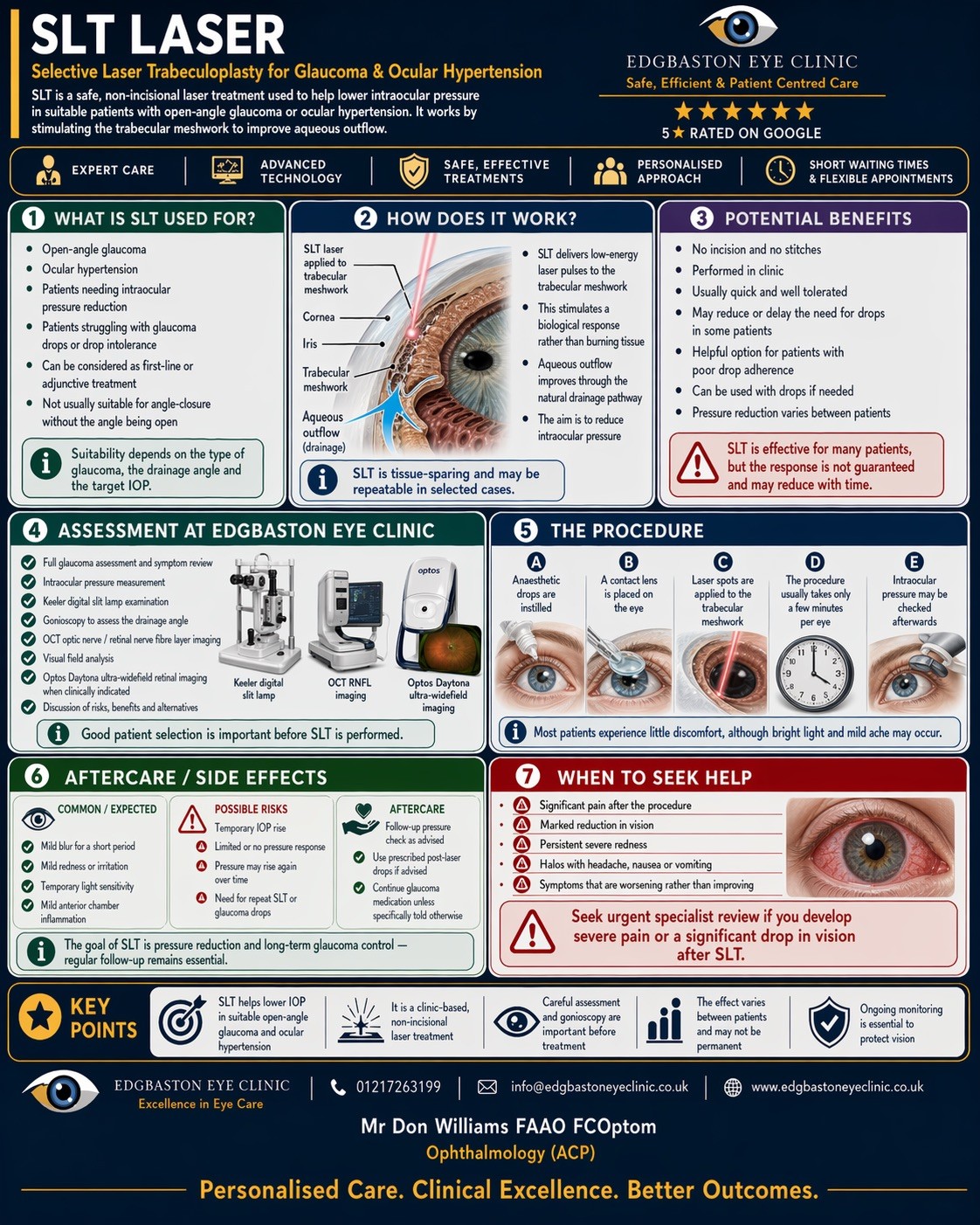
Selective Laser Trabeculoplasty, commonly known as SLT Laser, is an advanced, evidence-based treatment used to lower eye pressure in patients with glaucoma and ocular hypertension.
SLT works by applying low-energy laser pulses to the eye’s natural drainage system, known as the trabecular meshwork. This stimulates a biological response that improves fluid drainage from the eye, helping to reduce intraocular pressure (IOP).
SLT is widely recognised as a safe and effective treatment and is recommended by the National Institute for Health and Care Excellence (NICE) as a first-line treatment option for many patients with open-angle glaucoma and ocular hypertension.
Glaucoma is a condition that damages the optic nerve, usually as a result of raised intraocular pressure. The damage caused by glaucoma is irreversible and, if left untreated, can lead to permanent loss of vision.
Reducing eye pressure remains the only proven method of slowing or preventing glaucoma progression. SLT Laser provides an effective way of lowering pressure without the need for daily eye drops in many patients.
SLT may be suitable for patients with:
A comprehensive glaucoma assessment is required to determine whether SLT is an appropriate treatment option.
Large clinical studies, including the landmark LiGHT Trial, have demonstrated that SLT can effectively lower eye pressure and, in many cases, reduce or eliminate the need for glaucoma eye drops.
The pressure-lowering effect can last for several years, although the duration varies from patient to patient. If necessary, the treatment can often be repeated.
SLT Laser is performed as an outpatient procedure and typically takes only a few minutes.
Before treatment, anaesthetic eye drops are applied to ensure comfort. A specialist lens is then gently placed on the eye, allowing the laser to be accurately delivered to the drainage angle.
The procedure is generally well tolerated, and most patients experience little or no discomfort.
SLT offers several potential benefits:
For many patients, SLT provides a convenient alternative to lifelong medication.
Edgbaston Eye Clinic is proud to offer Selective Laser Trabeculoplasty (SLT) as part of its specialist glaucoma service.
Mr Don Williams ACP (Ophthalmology) routinely performs SLT Laser and has extensive experience in the diagnosis and management of glaucoma and ocular hypertension.
The clinic is equipped with advanced glaucoma diagnostic technology, including OCT imaging with the Glaucoma Module Premium Edition (GMPE), enabling detailed assessment of the optic nerve and retinal nerve fibre layer before and after treatment.
SLT has an excellent safety record and is widely performed throughout the world.
As with any medical procedure, there are potential risks and side effects, which will be discussed during your consultation. Most side effects are mild and temporary, and serious complications are uncommon.
A full glaucoma assessment is always undertaken before treatment to ensure suitability and to discuss the potential benefits and risks.
If you have glaucoma, ocular hypertension, or would like to explore alternatives to long-term glaucoma eye drops, Edgbaston Eye Clinic can provide a comprehensive glaucoma assessment and discuss whether SLT Laser may be appropriate for you.
Early intervention and effective pressure control are key to preserving vision and reducing the risk of glaucoma progression.
Diabetic retinopathy is a complication of diabetes that affects the retina, the light-sensitive tissue lining the back of the eye. It occurs when elevated blood sugar levels damage the small blood vessels within the retina, potentially leading to visual impairment and, in severe cases, blindness.
Diabetic retinopathy is one of the leading causes of sight loss among working-age adults. However, with regular eye examinations and early detection, the risk of significant vision loss can be greatly reduced.
Diabetes can affect the eyes in several ways. The most common diabetic eye disease is diabetic retinopathy, but diabetes can also increase the risk of:
Damage to the retinal blood vessels often develops gradually and may occur without noticeable symptoms during the early stages.
In the early stages, diabetic retinopathy may not cause any symptoms at all.
As the condition progresses, symptoms may include:
Because symptoms often develop late, regular retinal examinations are essential even when vision appears normal.
Anyone with diabetes is at risk of developing diabetic retinopathy.
Risk factors include:
The longer a person has diabetes, the greater the risk of developing diabetic eye disease.
Diabetic retinopathy can often be treated successfully when detected early.
Unfortunately, once significant retinal damage has occurred, some visual loss may be permanent. This is why regular diabetic retinal examinations are so important.
Early diagnosis allows appropriate monitoring, lifestyle advice and referral for treatment where necessary, helping to preserve vision and reduce the risk of sight-threatening complications.
Diagnosis involves a detailed examination of the retina using specialist ophthalmic equipment.
At Edgbaston Eye Clinic, Mr Don Williams ACP (Ophthalmology) performs comprehensive retinal assessments using advanced imaging technology, including ultra-widefield retinal imaging and Optical Coherence Tomography (OCT).
These technologies allow detailed evaluation of the retina and macula, helping to detect diabetic eye disease at an early stage and monitor any changes over time.
Diabetic maculopathy occurs when diabetes affects the macula, the central part of the retina responsible for detailed vision.
Fluid leakage and swelling within the macula can cause blurred or distorted central vision and may significantly affect reading, driving and facial recognition.
Macular involvement is one of the most important causes of visual loss in patients with diabetic retinopathy.
Artificial Intelligence (AI) refers to computer systems that can perform tasks that would traditionally require human intelligence. These tasks may include recognising patterns, analysing large amounts of data, assisting with decision-making and identifying subtle abnormalities that might otherwise be overlooked.
AI is rapidly transforming many industries, and healthcare is no exception. From medical imaging and diagnostics to personalised treatment planning, AI is increasingly becoming an important tool in modern medicine.
Artificial Intelligence is already being utilised across a wide range of healthcare settings.
Examples include:
By analysing vast quantities of information quickly and consistently, AI has the potential to improve efficiency, enhance diagnostic accuracy and support clinicians in delivering high-quality patient care.
Eye care is one of the most exciting areas for the development of Artificial Intelligence.
Modern ophthalmic imaging devices generate enormous amounts of data. AI systems are increasingly being trained to analyse retinal scans, OCT images, optic nerve photographs and visual field results to help identify signs of eye disease.
Research has shown that AI can assist in the detection and monitoring of conditions such as:
As AI technology continues to evolve, it is likely to play an increasingly important role in supporting eye care professionals and improving patient outcomes.
No.
Whilst AI is a powerful tool, it is not a substitute for clinical expertise, judgement and patient-centred care.
Artificial Intelligence can analyse data and identify patterns, but it cannot replace the experience, communication skills and clinical reasoning required to assess the whole patient. Important factors such as symptoms, medical history, lifestyle, risk factors and individual circumstances still require expert clinical interpretation.
The future of healthcare is likely to involve collaboration between clinicians and AI rather than replacement of clinicians by AI.
One of the most promising applications of AI in eye care is glaucoma detection.
Glaucoma often develops slowly and without symptoms during its early stages. Advanced AI systems are being developed to analyse OCT scans, retinal nerve fibre layer measurements and optic nerve imaging to identify subtle structural changes that may indicate early glaucoma.
This has the potential to support earlier diagnosis and improve long-term monitoring of patients at risk of sight loss.
Artificial Intelligence is also showing great promise in the analysis of retinal photographs and retinal scans.
Researchers have demonstrated that AI can assist in detecting diabetic retinopathy, macular degeneration and other retinal diseases from retinal images. These advances may help improve access to eye care and support earlier identification of potentially sight-threatening conditions.
At Edgbaston Eye Clinic, we embrace innovation and remain committed to staying at the forefront of advances in eye care technology.
The clinic utilises advanced diagnostic imaging systems, including Optical Coherence Tomography (OCT), ultra-widefield retinal imaging and specialist glaucoma imaging technology. Whilst clinical decisions remain under the direct supervision of an experienced clinician, developments in Artificial Intelligence are being closely monitored as part of our commitment to evidence-based practice and continuous improvement.
Mr Don Williams ACP (Ophthalmology) is currently undertaking a Master’s degree in Artificial Intelligence and has a particular interest in the future role of AI within healthcare, ophthalmology and clinical governance. This ongoing academic work helps ensure that developments in AI are understood not only from a technological perspective but also from the standpoint of patient safety, ethics, governance and responsible implementation.
Artificial Intelligence has the potential to transform healthcare and ophthalmology over the coming decades.
As technology continues to evolve, AI may assist clinicians in detecting disease earlier, monitoring patients more effectively and supporting personalised treatment decisions. However, responsible adoption, robust governance and maintaining the human element of patient care will remain essential.
The most effective healthcare systems of the future are likely to combine advanced technology with expert clinical judgement, ensuring that patients benefit from both innovation and compassionate care.
If you would like to learn more about advances in Artificial Intelligence, eye care technology or the diagnostic equipment utilised at Edgbaston Eye Clinic, please contact the clinic for further information.
We are passionate about embracing innovation whilst maintaining the highest standards of patient-centred eye care.
Thyroid Eye Disease (TED), also known as Graves’ Orbitopathy or Thyroid-Associated Orbitopathy (TAO), is an autoimmune condition that affects the tissues surrounding the eyes. It most commonly occurs in people with thyroid disorders, particularly Graves’ disease, although it can occasionally develop in individuals with normal thyroid function.
Thyroid Eye Disease can vary considerably in severity. Some patients experience only mild symptoms, whilst others may develop significant changes affecting comfort, appearance and vision.
Thyroid Eye Disease occurs when the body’s immune system mistakenly attacks tissues around the eyes, causing inflammation and swelling of the muscles and fatty tissues within the eye socket.
The exact reason why this occurs is not fully understood, but there is a strong association with autoimmune thyroid disease.
Smoking is one of the most significant risk factors and is known to increase both the likelihood and severity of Thyroid Eye Disease.
Symptoms may include:
Symptoms can affect one or both eyes and may fluctuate over time.
Most cases of Thyroid Eye Disease are mild to moderate. However, some patients can develop more severe disease that affects eye movement, appearance and vision.
In rare cases, swelling within the eye socket can place pressure on the optic nerve, potentially leading to permanent visual loss if not recognised and treated promptly.
For this reason, any deterioration in vision associated with Thyroid Eye Disease should be assessed urgently.
Diagnosis involves a detailed clinical examination and assessment of both the eyes and surrounding tissues.
At Edgbaston Eye Clinic, Mr Don Williams ACP (Ophthalmology) performs a comprehensive evaluation which may include:
Additional investigations and imaging may sometimes be required depending on the severity and clinical findings.
Thyroid Eye Disease typically progresses through two phases.
The first is the active inflammatory phase, during which inflammation and symptoms are changing. This phase may last several months or longer.
The second is the inactive or stable phase, during which the inflammation settles and symptoms become more stable.
Understanding which phase of the disease is present is important because treatment strategies may differ.
Management depends on the severity of the disease and the symptoms present.
Treatment may include:
Many patients benefit from a multidisciplinary approach involving ophthalmologists, endocrinologists and other healthcare professionals.
Edgbaston Eye Clinic provides specialist assessment for patients with suspected or established Thyroid Eye Disease.
Mr Don Williams ACP (Ophthalmology) has extensive experience in the assessment of ocular surface disease, double vision, optic nerve disorders and other eye conditions that may be associated with Thyroid Eye Disease.
The clinic is equipped with advanced diagnostic technology, including OCT imaging and retinal assessment equipment, allowing detailed evaluation of ocular health and monitoring of potential complications.
Early recognition of Thyroid Eye Disease is important because intervention at the appropriate stage may help reduce symptoms, identify complications and facilitate timely referral where necessary.
Patients with thyroid disease should not ignore symptoms such as eye discomfort, bulging eyes, double vision or changes in vision, as these may indicate the development of Thyroid Eye Disease.
If you have thyroid disease and are experiencing eye symptoms, or if you have concerns about Thyroid Eye Disease, Edgbaston Eye Clinic can provide a comprehensive specialist assessment.
Early diagnosis and appropriate management can help protect vision, improve comfort and ensure that any complications are identified and addressed promptly.
Retinitis Pigmentosa (RP) is a group of inherited retinal disorders that gradually affect the light-sensitive cells of the retina. These cells, known as photoreceptors, are responsible for capturing light and enabling vision.
Retinitis Pigmentosa is a progressive condition that can lead to significant visual impairment over time. Although it is relatively uncommon, RP is one of the most recognised inherited retinal diseases worldwide.
The severity and rate of progression can vary considerably between individuals, even within the same family.
Retinitis Pigmentosa is caused by genetic changes that affect the normal function of retinal photoreceptor cells.
The condition can be inherited in several different ways, including:
In some cases, there may be no known family history despite a genetic cause being present.
Advances in genetic testing have significantly improved our understanding of RP and related inherited retinal diseases.
Symptoms often develop gradually and may include:
Many patients first notice symptoms during adolescence or early adulthood, although onset can occur at any age.
Night blindness, also known as nyctalopia, is often one of the earliest symptoms of Retinitis Pigmentosa.
Patients may find it increasingly difficult to see in low-light conditions, drive at night or move around safely in dark environments.
As the condition progresses, peripheral vision may also become affected.
Retinitis Pigmentosa typically affects the rod photoreceptors first. These cells are responsible for peripheral vision and vision in dim lighting conditions.
Over time, cone photoreceptors may also become affected, potentially leading to difficulties with central vision, colour vision and detailed visual tasks.
The pattern and speed of progression vary between individuals, making regular monitoring particularly important.
Diagnosis involves a comprehensive assessment of retinal structure and function.
At Edgbaston Eye Clinic, Mr Don Williams ACP (Ophthalmology) performs detailed retinal examinations and advanced retinal imaging to evaluate patients with suspected inherited retinal disease.
Assessment may include:
Patients with suspected RP may also require referral for specialist genetic testing and inherited retinal disease services.
At present, there is no universal cure for Retinitis Pigmentosa.
However, research into inherited retinal diseases is progressing rapidly. Advances in genetic testing, gene therapy, retinal implants and other emerging treatments are creating new opportunities for selected patients.
Several therapies are currently being investigated, and developments in this field continue to generate considerable optimism for the future.
Early diagnosis allows patients to better understand their condition and access appropriate support, monitoring and specialist services.
It can also help identify family members who may benefit from assessment and facilitate access to emerging treatments and clinical trials where appropriate.
Regular monitoring enables clinicians to detect associated complications, including cataracts and macular changes, which may require treatment.
Edgbaston Eye Clinic provides specialist retinal assessment for patients experiencing night blindness, peripheral vision loss or symptoms suggestive of Retinitis Pigmentosa.
Mr Don Williams ACP (Ophthalmology) utilises advanced diagnostic technology, including OCT imaging, visual field testing and ultra-widefield retinal imaging, to evaluate retinal health and identify features consistent with inherited retinal disease.
Where appropriate, patients can be referred to specialist inherited retinal disease services for further investigation and management.
The field of inherited retinal disease is one of the most exciting areas of modern ophthalmology.
Advances in gene therapy, stem cell research, artificial vision technologies and precision medicine continue to offer hope for patients living with Retinitis Pigmentosa. Whilst many treatments remain under investigation, the future for inherited retinal disease management is evolving rapidly.
If you are experiencing night blindness, tunnel vision, progressive peripheral vision loss or have a family history of Retinitis Pigmentosa, Edgbaston Eye Clinic can provide a comprehensive retinal assessment.
Early diagnosis and appropriate monitoring are important in preserving visual function, identifying complications and ensuring access to the latest developments in inherited retinal disease care.
Watery eyes, also known as epiphora, occur when excessive tears overflow onto the cheeks. Whilst many people assume that watery eyes are caused by producing too many tears, this is not always the case.
In fact, some patients with persistently watery eyes actually suffer from dry eye disease. When the surface of the eye becomes irritated or dry, the eye may respond by producing an excessive reflex tear response, leading to watering.
Watery eyes can affect one or both eyes and may significantly impact comfort, vision and quality of life.
There are many possible causes of epiphora, including:
Determining the underlying cause is essential, as treatment varies considerably depending on the diagnosis.
Yes.
This is one of the most common and misunderstood causes of watery eyes.
When the eye surface becomes dry or irritated, the lacrimal gland may produce large amounts of reflex tears in an attempt to compensate. Unfortunately, these tears are often of poor quality and do not adequately lubricate the eye.
As a result, patients may experience both dry eyes and excessive watering at the same time.
Symptoms may include:
Some patients find that symptoms worsen when reading, using digital devices or spending time outdoors.
Yes.
The normal drainage system carries tears from the eye into the nose through a series of small channels called the lacrimal drainage system.
If these drainage channels become narrowed or blocked, tears may be unable to drain normally, resulting in persistent watering.
Patients with a blocked tear duct may notice constant watering, recurrent infections or sticky discharge from the eye.
Diagnosis requires a detailed examination of the eyes, eyelids and tear film.
At Edgbaston Eye Clinic, Mr Don Williams ACP (Ophthalmology) performs a comprehensive assessment to identify the cause of epiphora. The examination may include evaluation of:
Identifying the underlying cause allows the most appropriate treatment plan to be recommended.
Treatment depends entirely on the cause.
Management may include:
Many patients experience significant improvement once the underlying cause has been identified and treated appropriately.
Edgbaston Eye Clinic provides specialist assessment for patients experiencing watery eyes, excessive tearing, dry eyes and ocular surface disease.
Mr Don Williams ACP (Ophthalmology) has extensive experience in diagnosing the underlying causes of epiphora and managing a wide range of ocular surface disorders.
The clinic is equipped with advanced diagnostic technology to evaluate tear film health, ocular surface disease and associated eye conditions.
Watery eyes are often a symptom rather than a diagnosis.
Whilst some cases are caused by relatively minor conditions, others may be related to chronic dry eye disease, eyelid abnormalities or tear drainage problems. Accurate diagnosis is therefore essential to ensure appropriate treatment and long-term symptom relief.
If you are experiencing persistent watery eyes, tears running down your cheeks, irritation, burning or fluctuating vision, Edgbaston Eye Clinic can provide a comprehensive specialist assessment.
Identifying the cause of epiphora is the first step towards improving comfort, reducing symptoms and restoring the health of the ocular surface.
Astigmatism is one of the most common causes of blurred vision and occurs when the front surface of the eye (the cornea) or the natural lens inside the eye has an irregular curvature.
In a perfectly shaped eye, light focuses at a single point on the retina, producing clear vision. In an eye with astigmatism, light focuses at multiple points, resulting in blurred or distorted vision at both distance and near.
Astigmatism is extremely common and often occurs alongside short-sightedness (myopia) or long-sightedness (hyperopia).
The symptoms of astigmatism can vary depending on its severity and may include:
Some patients may have very mild astigmatism and experience few or no symptoms.
Astigmatism is usually caused by the natural shape of the eye and is often present from birth.
In most cases, the cornea has a slightly oval shape rather than being perfectly round. This difference in curvature causes light to focus unevenly inside the eye.
Less commonly, astigmatism may develop following eye injury, corneal disease, surgery or conditions such as keratoconus.
Astigmatism can change gradually over time, although many patients experience relatively stable prescriptions for many years.
Changes in astigmatism may occur with age, following eye surgery or as a result of certain corneal conditions. Significant or progressive changes may occasionally warrant further investigation.
Yes.
Uncorrected astigmatism can cause visual strain, particularly when reading, using digital devices or performing detailed visual tasks. This can lead to symptoms such as headaches, tired eyes and difficulty maintaining clear focus for prolonged periods.
However, headaches can have many causes, so a comprehensive eye examination is important to determine whether vision is contributing to the problem.
Astigmatism is diagnosed during a comprehensive eye examination.
Assessment involves measuring the refractive status of the eye and evaluating the shape and health of the cornea. In some cases, additional investigations may be required to exclude underlying corneal abnormalities.
At Edgbaston Eye Clinic, advanced diagnostic technology can be utilised where appropriate to assess the health of the eye and investigate any unusual changes in vision.
Astigmatism can usually be corrected very successfully with:
The most appropriate treatment depends on the degree of astigmatism, the patient’s visual requirements and overall ocular health.
In the vast majority of cases, astigmatism is not a serious eye condition and can be corrected effectively.
However, if astigmatism is unusually high, rapidly changing or associated with reduced vision that cannot be fully corrected with spectacles, further investigation may be required to exclude underlying conditions such as keratoconus.
Yes.
Mr Don Williams ACP (Ophthalmology) provides comprehensive assessments for patients experiencing blurred vision or concerns regarding astigmatism. Where appropriate, additional investigations can be performed to assess the health and shape of the cornea and identify any underlying eye conditions.
The clinic is equipped with advanced diagnostic technology and provides specialist assessment of a wide range of eye conditions, including those that may affect vision and refractive error.
If you are experiencing blurred vision, eyestrain, headaches or have been told that you have astigmatism, Edgbaston Eye Clinic can provide a comprehensive eye assessment to determine the cause of your symptoms and advise on the most appropriate management options.