


Keratoconus
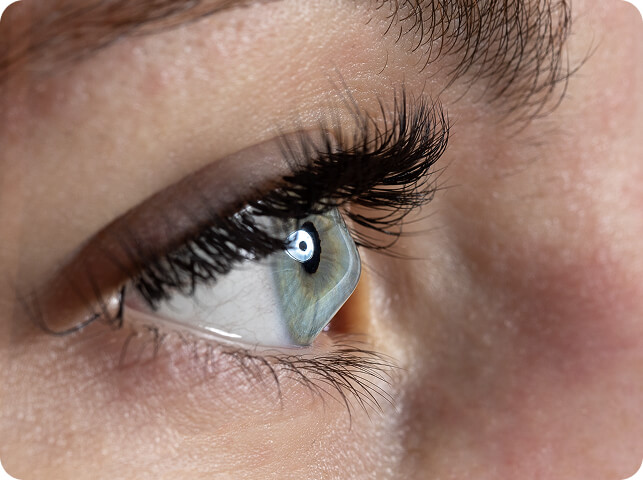
Keratoconus is a condition where the clear front window of the eye, called the cornea, gradually becomes thinner and changes shape. Instead of remaining smoothly rounded, the cornea can become steeper and more cone-like. This irregular shape can cause blurred, distorted or ghosted vision, increasing astigmatism, glare, light sensitivity and difficulty seeing clearly with ordinary glasses.
At Edgbaston Eye Clinic in Birmingham, Mr Don Williams provides private keratoconus assessment and monitoring for adults, using detailed eye examination, refraction and advanced corneal imaging to assess the shape, thickness and stability of the cornea. The aim is to detect keratoconus early, monitor for progression, improve visual quality where possible and identify when referral for corneal cross-linking may be appropriate.
Edgbaston Eye Clinic is an independent private specialist eye clinic led by Mr Don Williams at The Consulting Rooms, 38 Harborne Road, Edgbaston, Birmingham, B15 3HE.
Request an appointment
Click here to download the Keratoconus leaflet
Who gets Keratoconus?
Keratoconus often begins in the teenage years or early adulthood, although it can be diagnosed later. It may be more common in some ethnic groups and can run in families. It is also associated with eye rubbing, atopy, eczema, hay fever, allergic eye disease and long-term ocular irritation.
Edgbaston Eye Clinic provides adult keratoconus assessment. Patients under 18, or young people with rapidly changing vision, should be assessed promptly through an appropriate paediatric specialist pathway.
What causes Keratoconus?
There is usually no single cause. Keratoconus is thought to involve a combination of genetic, biomechanical and environmental factors. The cornea appears to become weaker and less able to maintain its normal shape.
Eye rubbing is an important risk factor. Patients with itchy eyes, allergic conjunctivitis, eczema, hay fever or blepharitis may rub their eyes without realising how much pressure they are applying to the cornea. One important part of keratoconus management is therefore controlling ocular allergy, dryness, blepharitis and irritation so that eye rubbing can be reduced.
How Keratoconus affects Vision?
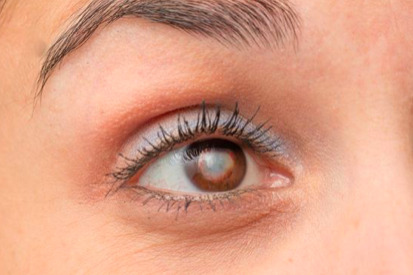
Early stages of keratoconus are detectable by an eye care practitioner. Edgbaston Eye Clinic boasts various ophthalmic diagnostic instruments for the detection and monitoring of keratoconus. Vision is often unaffected in the very early stages. It is important to remember that keratoconus doesn’t cause sudden loss of sight. If left unchecked, further changes in shape, thinning of the cornea and in advanced stages, scarring can cause loss of transparency of the cornea which impairs the ability of the eye to focus properly. Even in advanced keratoconus however it is usually possible to correct vision with highly specialised contact lenses. Edgbaston Eye Clinic is vastly experienced in the field of keratoconus.
In advanced keratoconus, a small number of patients can develop acute corneal hydrops. This happens when a tiny break in the inner layers of a very thin cornea allows fluid to enter the cornea, causing sudden clouding of vision, discomfort, light sensitivity and a white or misty appearance of the cornea. Hydrops usually settles with time, but it needs prompt specialist assessment, treatment and monitoring because it can occasionally lead to corneal scarring or further visual reduction.
Treatments for Keratoconus
In the early stages, glasses or soft contact lenses may be used to correct vision. As the cornea becomes thinner and steeper, specialist rigid gas permeable (RGP) contact lenses are often required to correct vision more adequately. In very advanced cases, where contact lenses fail to improve vision, a corneal transplant may be needed. This type of intervention is now rare since the introduction of ‘Cross-Linking’ (CXL). CXL is a relatively new treatment that can stop the disease getting worse. It is effective in over 94% of patients with a single 30minute outpatient procedure. CXL works best in the early stages of keratoconus.
Contact lenses are often very helpful in keratoconus. Depending on the shape and severity of the cornea, options may include specialist rigid gas permeable lenses, hybrid lenses, mini-scleral lenses or scleral lenses.
Many patients find mini-scleral or scleral lenses more comfortable than traditional rigid lenses because they vault over the cornea and rest on the white of the eye. They can also provide excellent optical quality in suitable cases.
Is keratoconus linked to eye rubbing?
Eye rubbing is strongly associated with keratoconus progression. If you have itchy eyes, hay fever, eczema, allergy, dry eye or blepharitis, controlling the irritation may help reduce rubbing and protect the cornea.
How often should keratoconus be monitored?
Monitoring depends on your age, symptoms, scan findings and whether there is evidence of progression. Younger patients and patients with changing vision may need closer monitoring. Stable adult keratoconus may be reviewed less frequently.
Keratoconus can cause glare, ghosting, poor night vision and reduced clarity. Many patients drive safely with appropriate correction, but if vision is below the required standard, specialist lenses or further management may be needed.


Referral
Keratoconus does not require urgent referral since changes caused by the condition usually take several months or even years to develop. At Edgbaston Eye Clinic, Mr Don Williams will monitor those with keratoconus and invite them back for repeat assessments for up to five years from their initial visit. Each time you attend Edgbaston Eye Clinic for your keratinous monitoring, we will perform many of the same tests, including:
- Vision test
- Refraction test to check for changes in the prescription of the eye
- Corneal Scans including a special scan call a Pentacam
We will then compare these results with those from your previous visits. If any of the results show deterioration, we will discuss with you whether CXL is required. The cost for a Keratoconus assessment at Edgbaston Eye Clinic including lens assessment is £250.
Cross Linking
CXL is only suitable where the corneal shape is continuing to deteriorate. This will be detected at your appointments. Beyond a certain stage however, if the cornea is too thin, it could be unsafe to perform the procedure. Usually in people in their late 30s, the corneal naturally stiffens and CXL is generally not required. Below this age, the cornea is more flexible and disease progression and worsening vision are more likely, although not certain, to occur.
Keratoconus gets worse because the cornea weakens. CXL uses ultraviolet light and vitamin B2 (riboflavin) drops to stiffen the cornea. Used together, they cause the fibers within the cornea to cross-link or bond more tightly, hence the term cross-linking. This treatment mimics the normal age-related stiffening of the cornea, which is known as natural cross-linking.
CXL is performed as a day case procedure. The procedure takes about 30minutes. During the procedure, you will be asked to lie flat on the treatment table. Anaesthetic drops are used to numb the surface of the eye before a small clip is placed to keep your eye lids open. The outer surface of the eye is gently brushed clear and riboflavin drops are applied every few minutes for at least ten minutes. Following this, the ultraviolet light is shone at your eye for 8minutes. A soft bandage contact lens is then placed on the eye at the end of the procedure. Cross Linking is not done on site at Edgbaston Eye Clinic.